
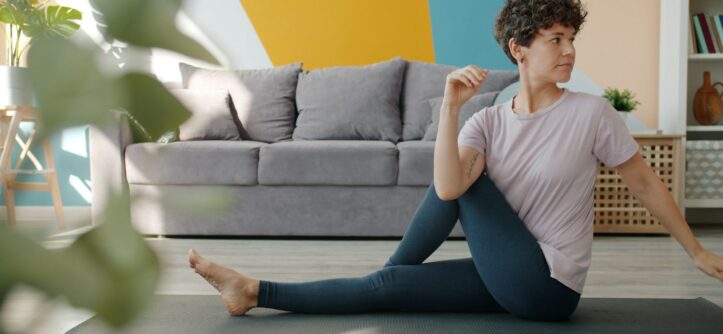
It may seem like the best thing to do when you are in pain is to lay down and rest. This is not the best thing to do when you have back pain. Exercises for lower back problems can help strengthen your back, stomach and leg muscles. These exercises support your spine and relieve back pain. Ask your doctor before you do any back-pain exercise.
Partial Crunches
You can do partial crunches to help build up your stomach and back muscles. To do this, you must lie on your back with both knees bent. Put your hands behind your head or cross your arms across your chest. Raise your shoulders and tighten your stomach muscles. As you lift your shoulders, exhale. Do not use your arms or elbows to lift your neck. Hold for one second and then lower yourself slowly. Repeat this exercise 8-12 times. The correct form will prevent excessive strain on your lower back. You should keep your feet, tailbone and lower back in contact with the ground at all times.
Hamstring Stretches
Lay on your back with one knee bent. A towel should be looped under your ball of foot. Straighten your leg and pull the towel back slowly. You should feel a gentle stretch down your back leg. Hold for 15-30 seconds, and repeat 2 to 4 times per leg. For advice from a Cheltenham Chiropractor, visit https://purelandschiro.co.uk
Wall Sits
Lean your back against the wall and stand 10-12 inches away. Slide down slowly until your knees bend slightly, and press your lower back against the wall. Hold for 10 seconds, then slowly slide up the wall. Repeat 8-12 times.
Desk habits and stretching tips for a sore back
Long hours sitting at a desk are a common cause of back pain, so movement during the working day matters as much as exercise at home. Start with your set up: a chair that supports both your lower and upper back and a desk at the right height make it easier to sit well and reduce strain.
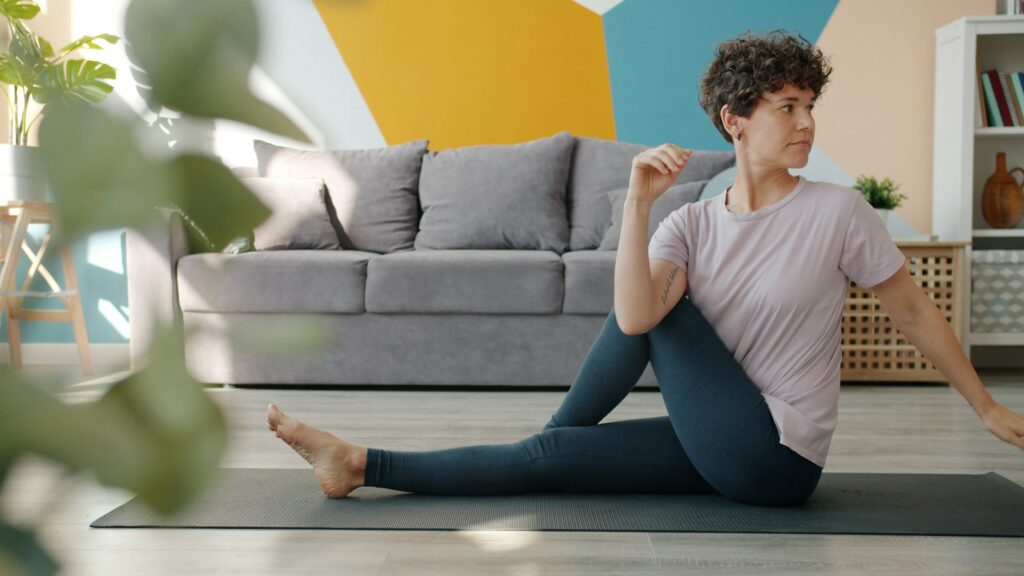
Stretching then helps keep the back moving and strengthens the muscles around it. Whatever stretches you use, keep your abdominal muscles gently engaged throughout, as this supports the spine and gets more out of each movement.
Work slowly and deliberately, especially while you are learning a stretch, and hold each position for a full ten seconds before releasing. Avoid swaying or jerking, keep your shoulders steady, and stop if anything causes sharp pain. Small, regular sessions spread through the day tend to do more good than one long session after hours of sitting still.